


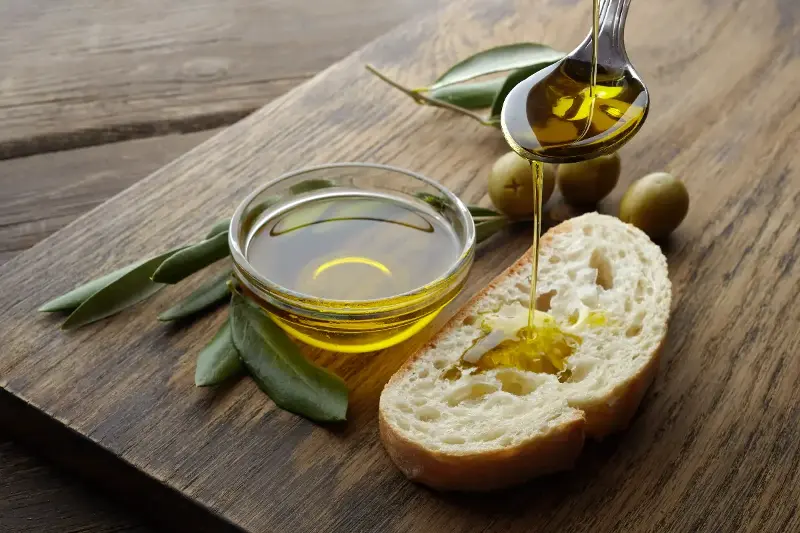
Olive oil is one of the oldest ingredients in the culinary world, yet its labels can still feel mysterious. Terms like “extra virgin”, “cold pressed”, and “low acidity” are often presented as shortcuts to quality, but each carries a precise meaning. Understanding them helps shoppers choose better oil, cooks use it more confidently, and food lovers appreciate why a fresh bottle can taste like green grass, almond, artichoke, or ripe fruit.
Extra virgin olive oil is the highest official grade, produced solely by mechanical methods rather than chemical refining. It must meet strict standards, maintaining a clean aroma and flavor entirely free from defects.
What Acidity Really Means
The acidity printed on a label refers to free fatty acidity. To qualify as extra virgin, an oil's free acidity must be no higher than 0.8%.
-
Not a Flavor Note: This number does not describe a sour taste—olive oil is not acidic like lemon juice or vinegar. A low acidity figure cannot be detected directly on the tongue.
-
Reflecting Fruit Health: Healthy, freshly harvested olives safely enclose oil within their cells. Bruising, pest damage, or milling delays break down the oil and release free fatty acids.
-
A Mark of Care: Low acidity suggests the fruit was handled quickly and carefully, signaling superior raw ingredients.
A truly exceptional extra virgin olive oil needs both chemical purity and vibrant sensory quality. It should feature noticeable fruitiness, balanced bitterness, and a delightful peppery tickle at the back of the throat—a positive sign linked to naturally occurring antioxidants like oleocanthal.

Cold Pressed and Cold Extracted
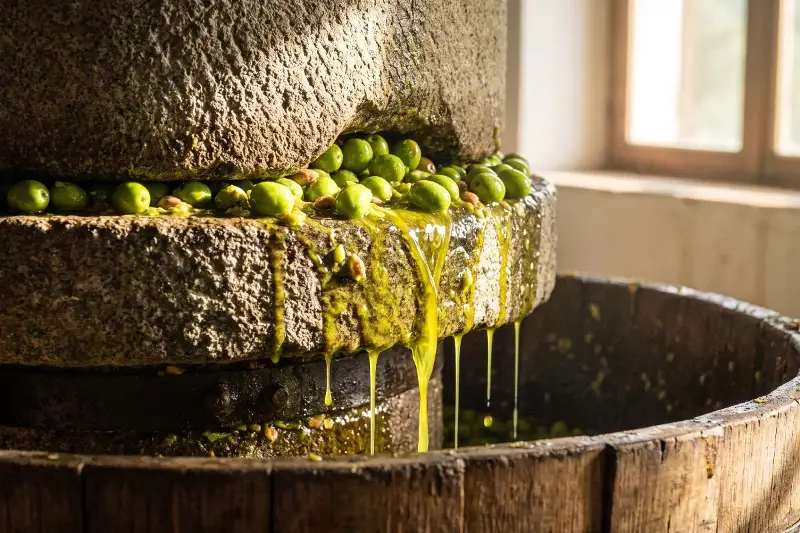
While “cold pressed” is a familiar traditional phrase from the era of hydraulic mat presses, modern quality producers rely on centrifuges, making “cold extracted” the more accurate contemporary term.
-
Temperature Control: Both terms indicate extraction occurred below 27°C (80.6°F).
-
Preserving Delicate Flavors: While heat increases total oil yield, cooler extraction protects delicate aromas, fresh fragrance, and essential antioxidants.
-
Speed Over Claims: Cold extraction alone is not a magic guarantee. Top producers mill olives within hours of harvest to process the fruit at its absolute peak.
Freshness Is a Key Flavor Ingredient
Unlike fine wines, extra virgin olive oil does not improve with age—it is at its absolute best when young.
-
Watch the Harvest Date: Look for a recent harvest date rather than just a "best before" date. Northern Hemisphere harvests run from October to January, while Southern Hemisphere harvests occur from April to July.
-
Protective Packaging: Oxygen, light, and heat cause oxidation over time. Choose dark glass bottles, opaque tins, or bag-in-box formats over clear glass.
-
Smart Home Storage: Keep your bottle tightly sealed in a cool, dark cupboard away from the heat of the stove.
How to Enjoy It at Its Best
Use fresh, flavorful extra virgin olive oil where its rich character can truly shine:
-
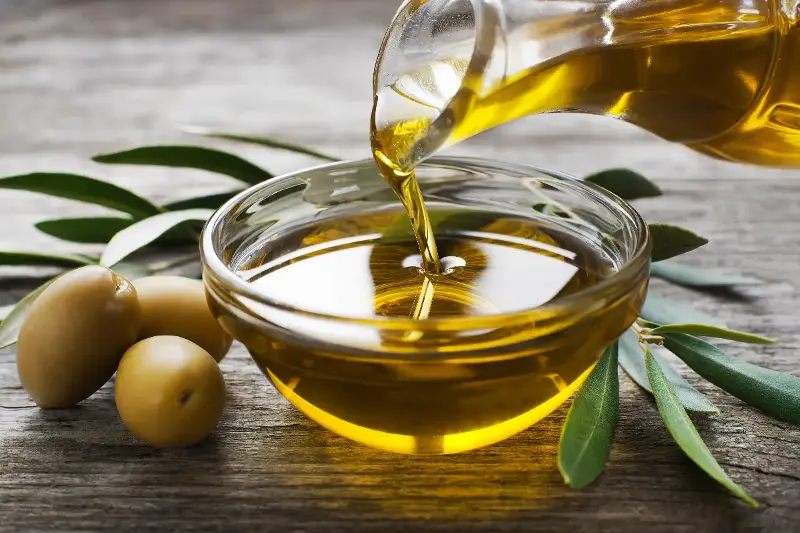
Finishing Touches: Drizzle robust, peppery oils over grilled vegetables, hearty soups, hummus, fresh bread, or roasted dishes.
-
Delicate Pairings: Use softer, buttery oils to complement delicate seafood, eggs, and light summer salads.
-
Everyday Culinary Use: Extra virgin olive oil is ideal for sautéing and roasting, forming the heart of Mediterranean cooking.
For the brightest taste, reserve an exceptional bottle for finishing dishes and keep another for routine cooking. When protected from light, air, and heat, extra virgin olive oil transforms into a fresh, expressive ingredient with a vibrant story in every pour.