


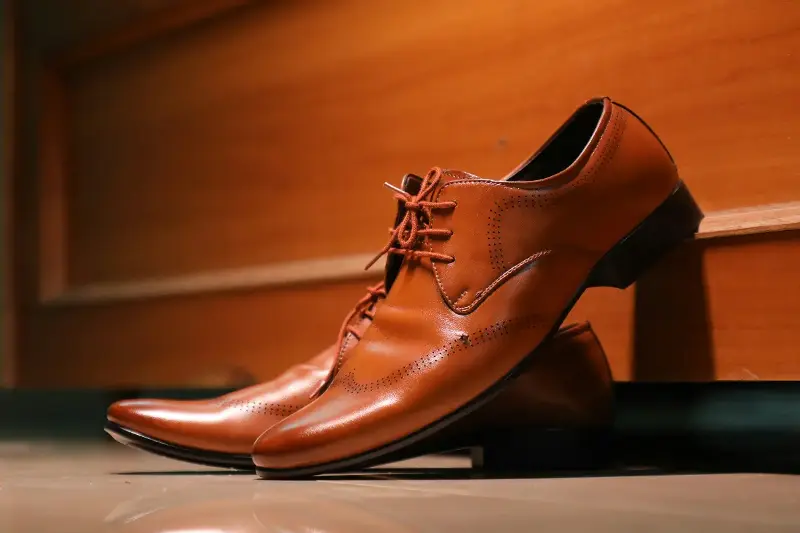
Looking sharp is a timeless desire, and nothing polishes an outfit quite like a stunning pair of leather shoes. But as genuine leather has soared in popularity and price, so too have the imitations that try to sneak their way into your wardrobe. Whether you are browsing in boutiques, shopping online, or visiting a local marketplace, knowing how to spot real from faux leather is a smart move to ensure you get your money’s worth. You do not need years of expertise; with just a minute and a keen eye, you can quickly master telling real leather shoes from fakes.
Texture, Grain, and Natural Imperfections
The quickest giveaways start with appearance. Real leather is made from natural hide, so every piece carries unique, organic variations:
- Natural Grain: Expect an uneven grain featuring tiny wrinkles, pores, or minuscule marks. These quirks are signs of authenticity rather than defects.
- Synthetic Perfection: Faux leather like PU (polyurethane) or PVC presents a perfectly repeating pattern.
If the shoes look almost too perfect, they might just be synthetic.
The Touch Test: Feel the Suppleness
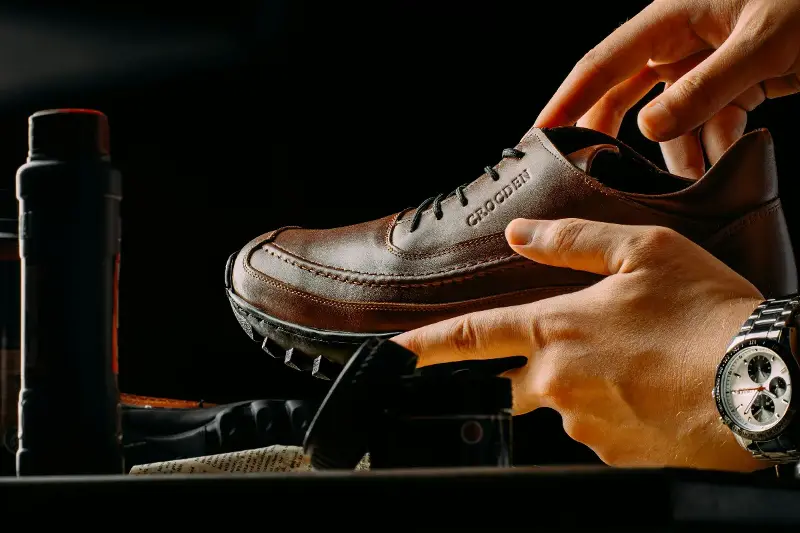
There is something truly satisfying about touching authentic leather. Try a quick one-minute trick: press gently with your fingertip into the shoe’s surface.
- Genuine Leather: Flexes and wrinkles just as skin would, bouncing back smoothly. It feels flexible, soft, and warms slightly as it absorbs heat.
- Fake Leather: Typically feels stiff, cold, or plastic-like. If the surface does not yield or instantly snaps back without natural creasing, you are likely handling synthetic material.
Trust Your Sense of Smell
Perhaps one of the most instant ways to identify real leather is simply by giving it a sniff:
- Authentic Leather: Boasts a distinctive, earthy, and rich aroma that is difficult to replicate artificially.
- Synthetic Options: Often carry the scent of chemicals or plastic.
If the shoes smell heavily processed, you are likely dealing with an imitation.
Zoom in on Pores, Edges, and Linings
Take a close look at the fine details:
- Edges: Genuine leather edges are usually slightly rough or fibrous. Fake leather typically features a slick, uniform edge sealed with glue.
- Linings: Authentic leather usually has a suede-like backing, whereas synthetics often reveal a woven fabric layer.
- Pore Patterns: Real leather has irregularly spaced pores, while artificial materials showcase neatly arranged, manufactured dots.
Read the Labels and Branding
Always examine the inner fine print:
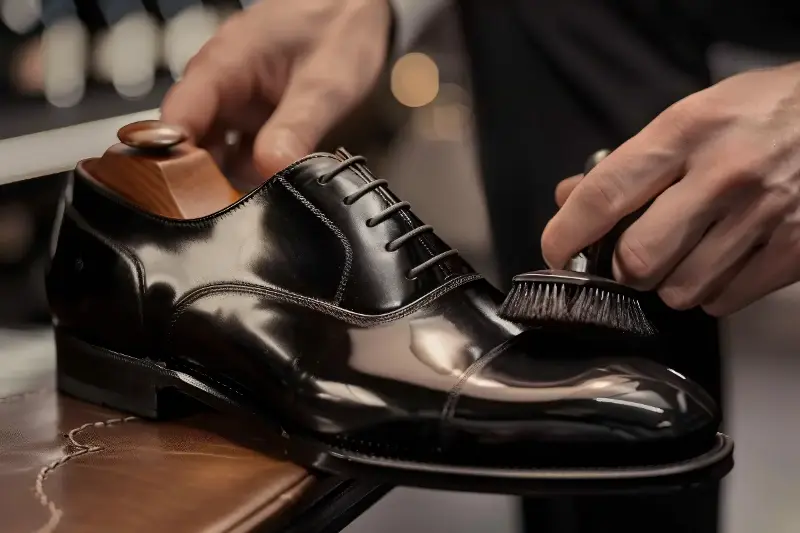
- Green Flags: Look for terms like full-grain leather, genuine leather, or top-grain leather.
- Red Flags: Labels stating manmade materials or synthetic leather confirm the product is not genuine leather.
The Water Droplet Test
Place a single droplet of water on the shoe’s surface if the seller allows:
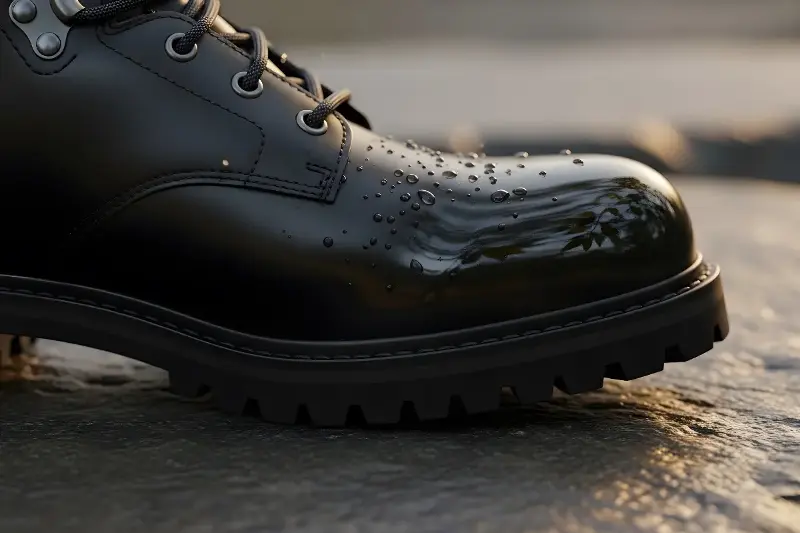
- Genuine Leather: Quickly absorbs moisture, causing the droplet to sink in and temporarily darken the spot.
- Imitation Leather: The water will bead on top or slide right off, leaving the surface entirely unchanged.
Investment, Comfort, and Lasting Style
Spotting authentic leather ensures long-term satisfaction. Real leather breathes better, adapts to your feet, and lasts for years while gaining character with age. Fake leather tends to crack, peel, and age quickly. Investing in genuine quality keeps your wardrobe looking polished, making every step a confident one.