


Have you ever found yourself reaching for a pair of funky glasses as you settle into a movie, wondering how those simple frames can transport you from your living room into an immersive world? There is both fascinating science and a touch of magic in those humble spectacles.
Whether you’re a fan of classic cinema or excited about the most cutting-edge virtual reality, understanding the technology behind these lenses will change the way you see entertainment—literally. Let's explore how a simple piece of eyewear can completely redefine your visual perspective.
THE BIRTH OF THE THREE-DIMENSIONAL CINEMA
The roots of depth-enhanced viewing stretch surprisingly far back, with early inventors experimenting with ways to trick the human eye into seeing depth on entirely flat surfaces long before digital screens existed. These early milestones laid the groundwork for modern visual effects.
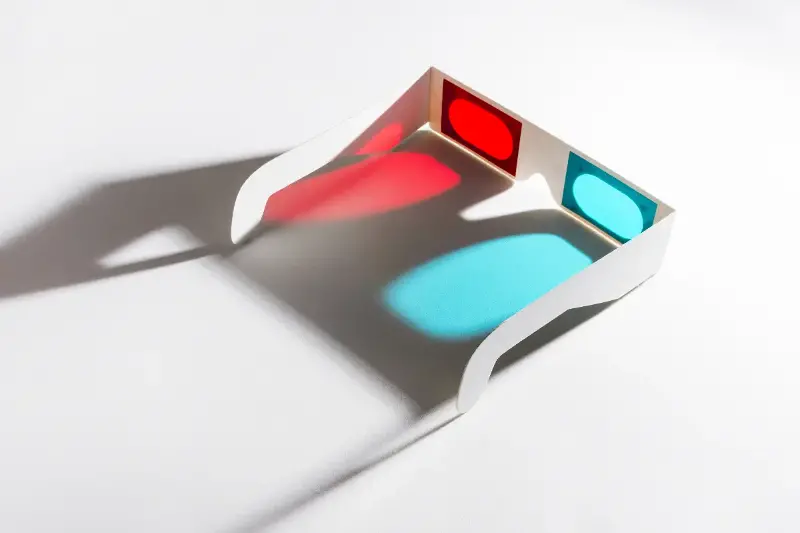
- The Colored Filter Method: Early tech utilized red-blue or red-cyan lenses, a process known as anaglyph imaging.
- How It Processed: Two slightly offset images were projected onto the screen simultaneously, one tinted red and the other tinted blue.
- The Brain's Role: The colored filters on the paper glasses ensured each eye only absorbed one of the two offset images. Your brain then worked overtime to blend these distinct streams, creating the illusion of a single, deeper picture. It may seem basic today, but at the time, this was pure movie magic.
HOW BIOLOGY AND OPTICS CREATE DEPTH
The science underpinning this technology is as much about our physical biology as it is about advanced optics. Humans naturally perceive depth by utilizing a biological trait called binocular vision.
Because our eyes are physically separated by a few centimeters, each eye views the world from a slightly different angle. Our brains constantly combine these two distinct perspectives to calculate distances and build a seamless sense of three-dimensional space.
Specialized lenses take advantage of this natural trick. By presenting each eye with a slightly different version of the same onscreen image, they simulate what it’s like to interact with the physical world, even though everything is happening on a completely flat, two-dimensional screen right in front of you.

POLARIZATION: A SHARPER AND MORE COLORFUL FUTURE
While early colored lenses were a major milestone, they had obvious drawbacks, most notably odd color distortion and fuzzy images. The next massive leap forward came with polarized lenses, which are standard in modern movie theaters globally.
- Light Manipulation: Polarized technology utilizes two separate images projected onto the screen using specially filtered light waves.
- Directional Lenses: Each lens of the glasses only allows light vibrating in a specific direction—such as horizontal or vertical—to pass through.
- The Result: Each eye absorbs only its intended image with full, vibrant color and incredibly crisp detail. The images combine flawlessly in your mind for that realistic, jump-off-the-screen effect.
- A Helpful Alternative Use: Polarized lenses are structurally similar to high-end sunglasses because of their built-in ability to block harsh glare.
ACTIVE SHUTTER SYSTEM: HIGH-TECH INTRICACY
For home theater enthusiasts and specialized theme park attractions, the active shutter system offers an entirely different approach. These are heavier, battery-powered glasses that look distinctly futuristic.
Instead of filtering light passively, these glasses use tiny, high-speed liquid crystal display panels inside each eyepiece that alternately go completely dark and clear in perfect synchronization with the television or projector screen.
The display sends a rapid, alternating series of images—one frame intended for the left eye, the next for the right. The electronic shutters open and close one eye at a time at an incredibly high speed. When this happens fast enough, your brain interprets the rapid switching as a seamless, high-definition experience with incredible depth control.
VIRTUAL REALITY AND MODERN APPLICATIONS
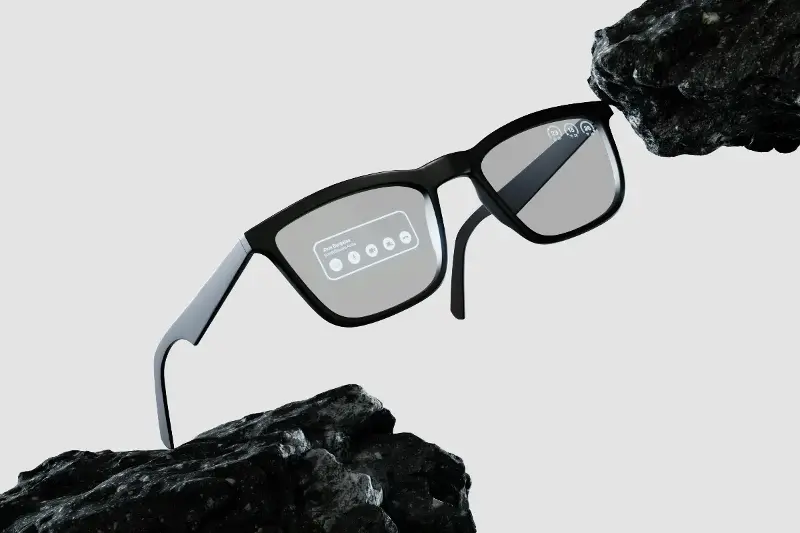
In today's fast-paced tech landscape, depth perception technology has expanded far beyond the cinema screen. The ultimate immersive frontier is virtual reality, where headsets utilize twin dedicated screens—one for each eye—along with precision optics to recreate lifelike depth.
This hardware tracks your head movements, adjusting the digital environment in real-time so you can look around and explore virtual spaces naturally.
Beyond entertainment, this technology is transforming practical industries:
- Medicine: Surgeons utilize specialized high-definition glasses to guide delicate procedures with enhanced depth precision.
- Architecture: Designers create detailed virtual walk-throughs of buildings before a single brick is laid.
- Education: Scientists visualize complex molecular structures and data in ways that flat prints could never achieve.
The science behind these lenses has taken us from simple paper novelties to world-changing tools, proving that with a little human ingenuity, even the way we view the world can be beautifully transformed.