



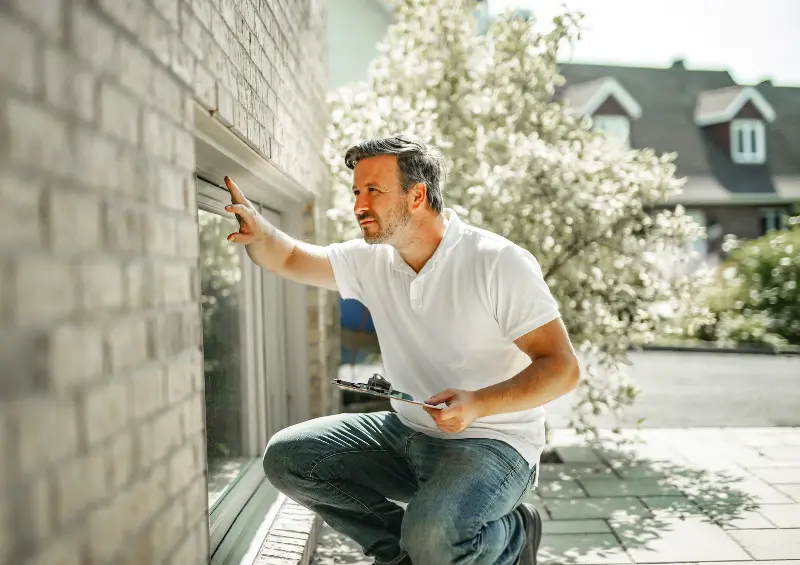
Record-breaking temperatures aren't just hard on people — they can also put added stress on homes. Extended periods of extreme heat can affect everything from your roof and landscaping to windows, plumbing and outdoor living spaces. Fortunately, a little preparation can help homeowners protect their homes and avoid unnecessary headaches during the hottest weeks of summer.
Start outside by taking a walk around your property. Heat can quickly dry out landscaping, causing plants, shrubs and even young trees to become stressed. Watering deeply in the early morning allows moisture to soak into the soil before the day's heat causes it to evaporate. Adding a fresh layer of mulch around plants can also help the ground retain moisture while protecting roots from extreme temperatures.
Outdoor living spaces deserve attention as well. Patio furniture, grills, umbrellas and cushions can deteriorate more quickly after days of intense sun exposure. If possible, move furniture into shaded areas when it's not being used or invest in protective covers designed to withstand UV rays. Wooden decks may also benefit from a quick inspection, as prolonged heat and direct sunlight can dry out wood and make existing cracks more noticeable.
Homeowners should also think about the areas of the home that absorb the most heat. South- and west-facing windows often experience the strongest afternoon sun. Installing exterior solar screens, awnings or shade sails can help reduce the amount of heat entering the home while making outdoor spaces more comfortable during the day. Even strategically planted trees can provide long-term shade that benefits both the home and the yard.
Extreme heat is also a good reminder to check on areas that are easy to overlook. Garages, attics and sheds can become dangerously hot during the summer. Avoid storing heat-sensitive items like paint, batteries, propane cylinders or certain household chemicals in spaces that aren't climate controlled, and make sure these areas remain well-ventilated whenever possible.
Finally, don't forget to prepare for sudden summer storms that often accompany periods of intense heat. Clearing gutters, securing loose outdoor furniture and trimming dead tree limbs can help reduce potential damage if severe weather follows a heat wave.
Summer heat is inevitable, but taking a proactive approach can help homeowners protect both their property and their outdoor spaces. A few simple preparations can help your home weather the season more comfortably while avoiding unnecessary wear and tear that often accompanies prolonged periods of extreme temperatures.
____
Tweet your home care questions with #AskingAngi and we’ll try to answer them in a future column.