



Ube, the distinctive purple potato of the Philippines, is taking the world by storm, but it's putting the country in a difficult position with strained supply and the risk of losing its cultural identity.
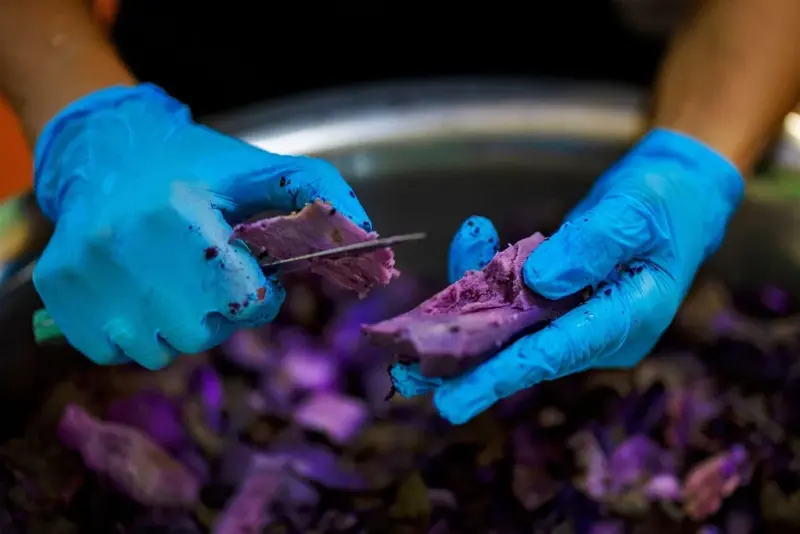
Filipino workers process purple sweet potatoes (ube).
From New York cafes to Sydney bakeries and London cosmetics stores, purple is becoming increasingly popular in a variety of shades, from deep to light. This trend originated in the Philippines, specifically from a native underground tuber.
That's ube, also known as Dioscorea alata, a starchy purple sweet potato with a slightly creamy, vanilla-tinged flavor. From a traditional ingredient, ube is becoming a valuable export commodity as global demand is rapidly increasing.
According to the Philippine Department of Trade and Industry, last year the country exported nearly 1.7 million kg of ube products, valued at over $3.2 million , a 20.4% increase compared to 2024. The US market alone accounted for nearly half, with approximately 956,000 kg, valued at $1.5 million , double the previous year and exceeding the combined total of the next five largest markets.
According to Bettina Makalintal, a reporter for the food website Eater , the appeal of ube comes from its visual appeal. "Dishes with striking colors easily attract attention. Ube offers both novel and accessible flavors, while also satisfying aesthetic needs," she told CNN.
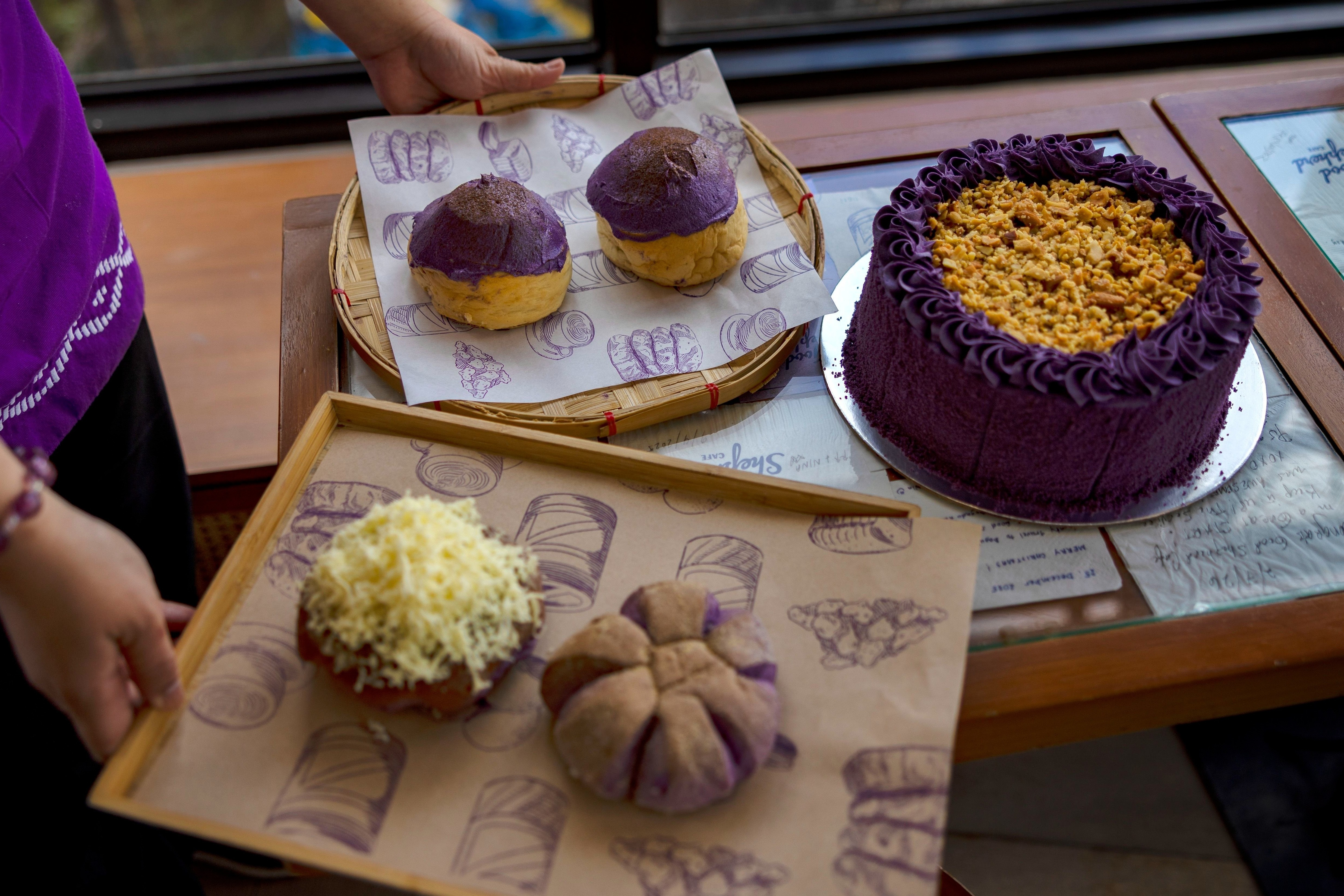
Pastries made from ube (purple sweet potato) at Good Shepherd Cafe in Baguio, Philippines.
Besides beverages, ube is also processed into a special jam called ube halaya, made from mashed potatoes with milk, sugar, and butter. It's both a dessert and an ingredient in many other dishes. The trend isn't limited to food; the beauty industry is also catching on. Huda Beauty launched a collection inspired by ube in 2025.
"Nowadays, ube is everywhere, from ice cream in New York and cakes in London to lattes in Tokyo. It's an incredible success story," said Lionel Dabbadie, FAO (United Nations Food and Agriculture Organization) representative in the Philippines.
However, this success is putting significant pressure on supply . Ube production in the Philippines has decreased from over 15 million kg in 2021 to around 14 million kg in the last two years, while the majority is still for domestic consumption. Meanwhile, Vietnam and China are accelerating purple yam production, increasing competition.
Unlike large-scale crops like rice or corn, ube is primarily grown on a small scale seasonally. The plant requires high humidity and takes about 10-11 months to harvest, making its supply vulnerable to weather fluctuations. In fact, the Philippines is increasingly facing extreme weather events. Last November, Typhoon Fung-wong was the 21st typhoon to hit the country that year.
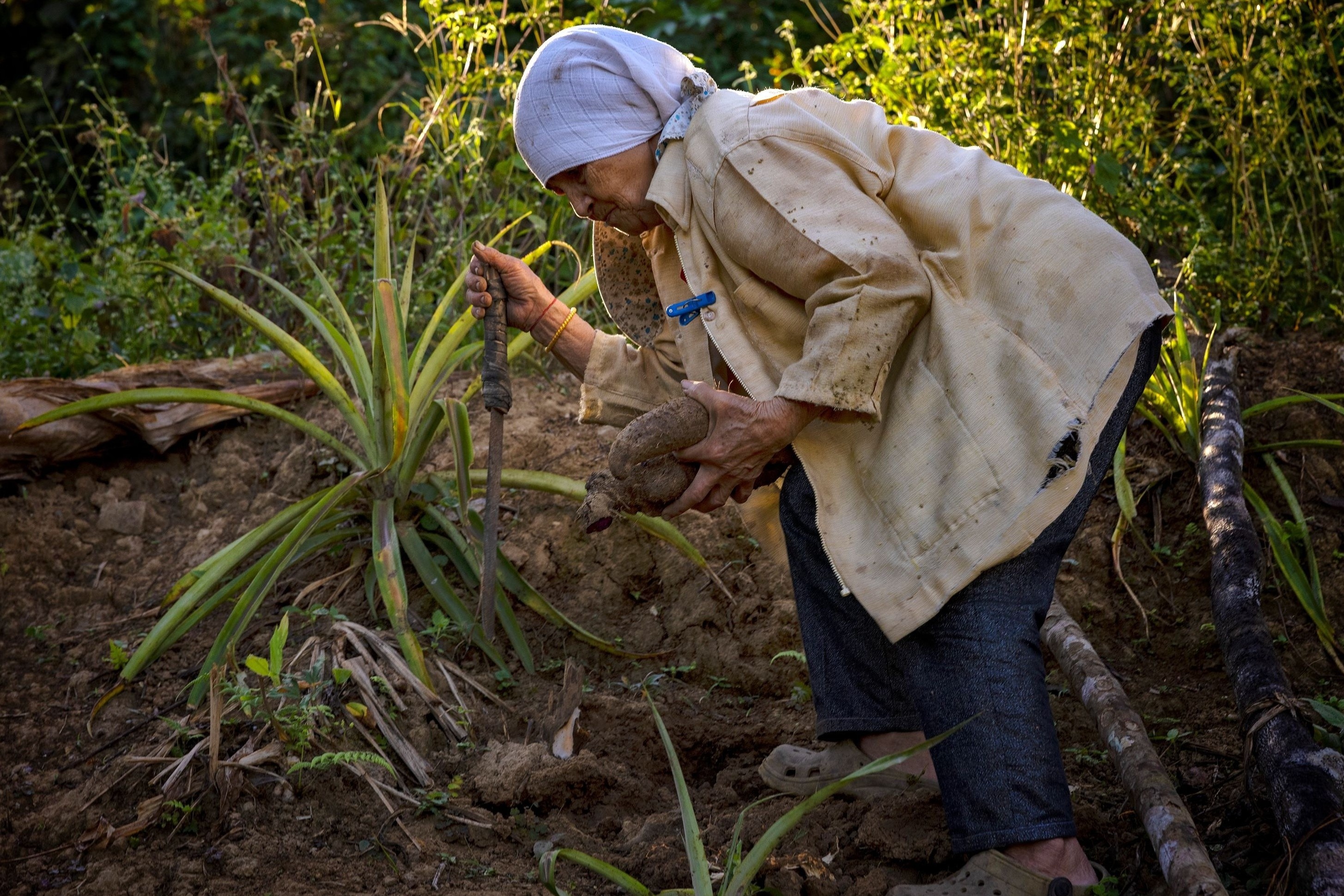
Filipino farmers are struggling to meet the growing global demand for purple ube sweet potatoes.
Furthermore, many farmers took advantage of high prices to sell their entire harvest, leading to a shortage of seeds for the next season because ube is grown by cutting the tubers. This further strained the supply. As a result, even the Filipino community in the US had difficulty accessing "authentic" ube.
"Demand is increasing, but supply and import markets are not keeping pace," Makalintal said.
Beyond the supply issue, another concern is that ube is gradually becoming detached from its local cultural context. In Filipino cuisine, ube is a key ingredient in the halo-halo dessert, along with many other traditional dishes such as champorado sweet porridge or mamón pancakes.
However, when it spread to the international market, many products replaced real ube with flavorings, purple sweet potatoes, or simply food coloring. "I was surprised to learn that many people don't know ube originated in the Philippines," said Dabbadie.
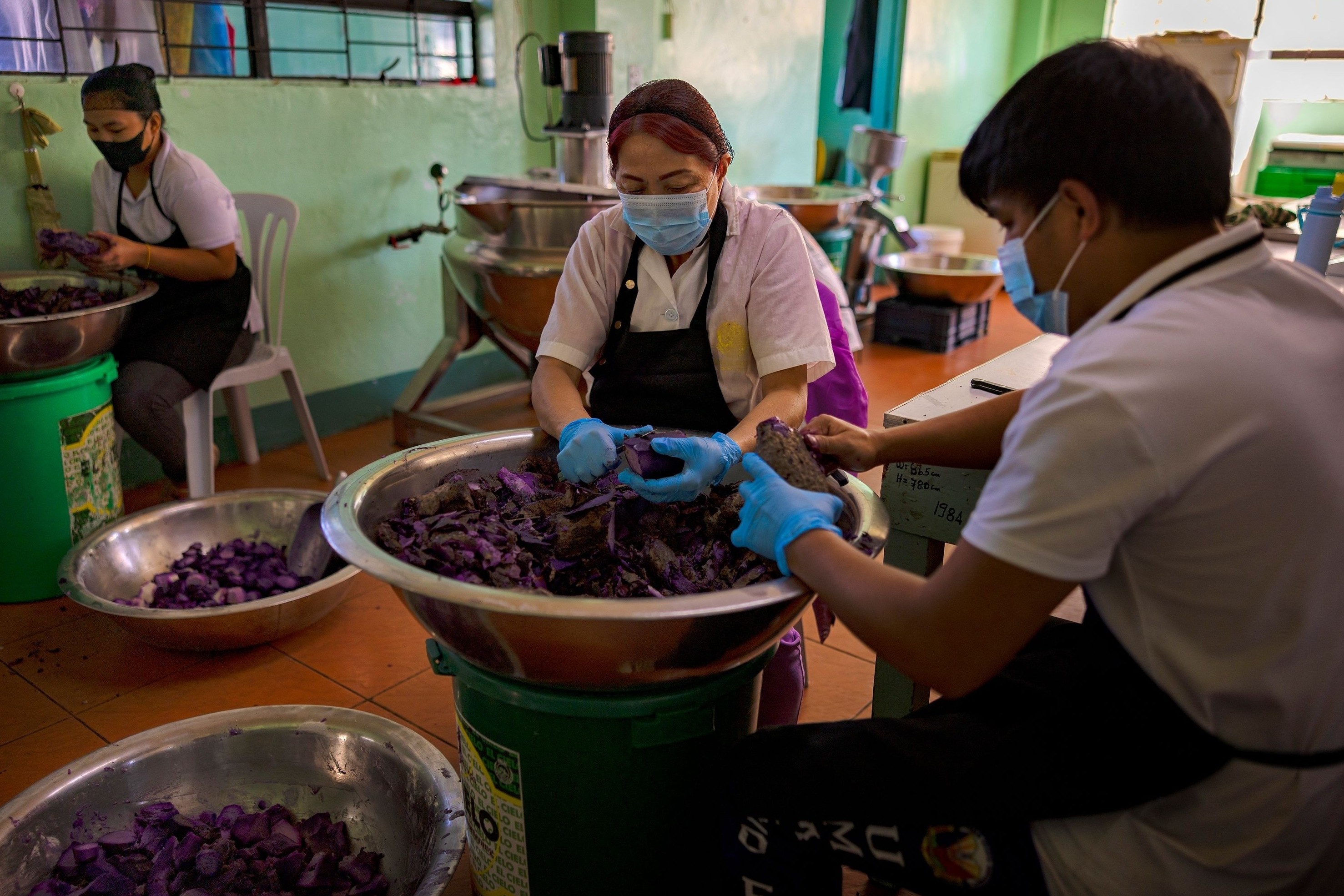
Filipino workers process purple sweet potatoes (ube).
According to Makalintal, this creates a vicious cycle where a lack of cultural understanding and limited supply make it easy for vendors to substitute ingredients, distorting the flavor. Due to its mild taste, ube easily loses its original character when blended or extracted.
"When your culture becomes mainstream, you also gradually lose control over how it is understood and expressed," Makalintal observed, noting that global popularity brings opportunities, but also trade-offs.