



A paradox that is becoming increasingly familiar is that, despite the convenience of modern life, many people frequently feel tired, lack energy, and have difficulty concentrating.

Never before has human life been as convenient as it is today. With just a smartphone, we can work, shop, entertain ourselves, and stay in touch with friends from anywhere.
Washing machines, dishwashers, air conditioners, elevators, and food delivery apps save a lot of time and effort.
However, a paradox is becoming increasingly familiar: despite the convenience of modern life, many people frequently feel tired, lack energy, and have difficulty concentrating.
The question is, why don't people feel healthier when things become easier?
When the body is inactive
One of the most obvious reasons is that people are becoming less and less active. Previously, many activities in life required constant physical movement. Walking, doing housework, or manual labor kept muscles active, helping the body maintain stable energy levels.
Nowadays, many jobs are done in front of computer screens. Instead of walking, we take the elevator. Instead of going out to buy groceries, a few taps on our phones bring everything right to our door. This convenience has significantly increased the amount of time people spend sitting. A long-term sedentary lifestyle not only makes the body slower but also increases the risk of health problems such as obesity and type 2 diabetes.
When the body is inactive, the metabolism slows down. This causes many people to feel sluggish and lacking in energy even without doing strenuous work.

Mental stress
While fatigue used to be associated with physical labor, today much of it stems from mental stress. Modern life brings with it a massive amount of information and a much faster pace of work than before.
In just one day, a person can receive dozens of emails, work messages, social media notifications, and countless other pieces of information. The brain has to constantly process, respond to, and make decisions. Having to maintain focus for extended periods causes many people to experience prolonged stress.
Many people start their workday feeling stressed and end it feeling exhausted. If this continues, it can lead to stress and even increase the risk of anxiety disorders.
Sleep is being affected by technology
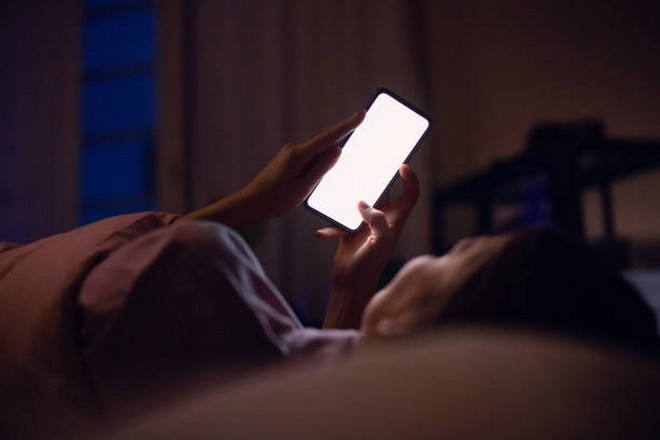
Another significant factor contributing to fatigue is the increasing impact of technology on sleep. Many people have a habit of using their phones or computers before bed. The blue light from screens can disrupt the activity of melatonin, a hormone that helps the body fall asleep easily.
When melatonin is suppressed, the body struggles to fall into a deep sleep and is prone to waking up in the middle of the night. As a result, even with sufficient sleep, many people still feel unrested. In the long term, this habit can lead to insomnia or circadian rhythm disorders.
This explains why many people feel tired right from the start of the day.
The body lacks contact with nature
A comfortable life also means people spend more time in enclosed spaces. Offices, shopping malls, apartment buildings, and transportation are all environments with little contact with nature.
A lack of natural light, fresh air, and greenery can affect both physical and mental health. Many studies show that spending time outdoors, walking in the park, or simply being exposed to the morning sun can help improve mood and boost energy levels throughout the day.
When humans are isolated from nature for too long, their bodies are more likely to experience fatigue and stress.
The pressure to always be busy
Another paradox of modern life is that, despite technology saving time, people feel increasingly busy. Instead of resting, many use the time saved to do extra work, learn new skills, or participate in other activities.
The "always have to do something" culture makes genuine rest a rare occurrence. Many people feel guilty about taking time for themselves or simply relaxing.
Prolonged periods of overwork can lead to burnout and decreased productivity. When the brain doesn't have enough time to recover, feelings of fatigue become increasingly pronounced.