



The 2026 Mazda CX-5 in Australia has had some equipment changes, including the removal of the integrated satellite navigation system. In return, the company will maintain a more competitive price.
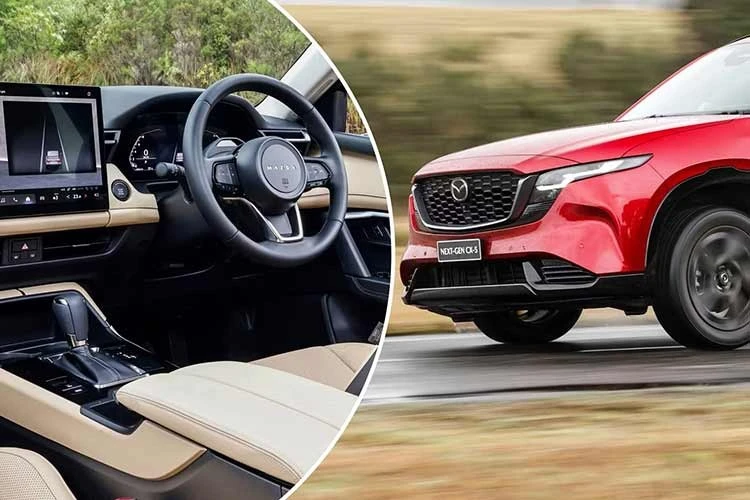
According to confirmation from Mazda Australia, the entire 2026 CX-5 lineup will not be equipped with a built-in satellite navigation system. Instead, users will need to use Apple CarPlay or Android Auto via smartphone connection to access maps and directions.
This is the first time in almost 15 years that the CX-5 in Australia does not have built-in satellite navigation – a feature previously found on higher-end versions of the previous generation.
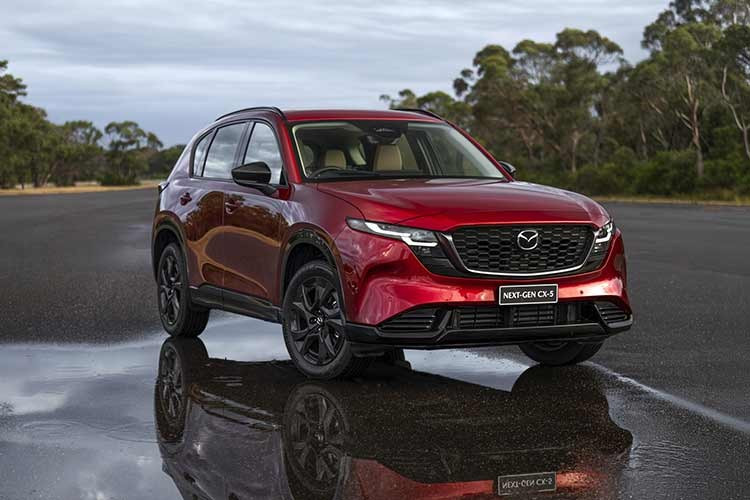
Meanwhile, in other markets, the new generation CX-5 is equipped with the latest Android Automotive infotainment system with Google built-in, allowing the use of Google Maps as the default navigation system, and also supporting the download of additional apps from Google Play.
Mazda stated that the decision not to include Google built-in in its Australian models stemmed from two factors. Firstly, user surveys indicated that this feature was not a crucial criterion when choosing a vehicle. Secondly, adding the system would increase the selling price, impacting the product's competitiveness, especially in the standard versions.
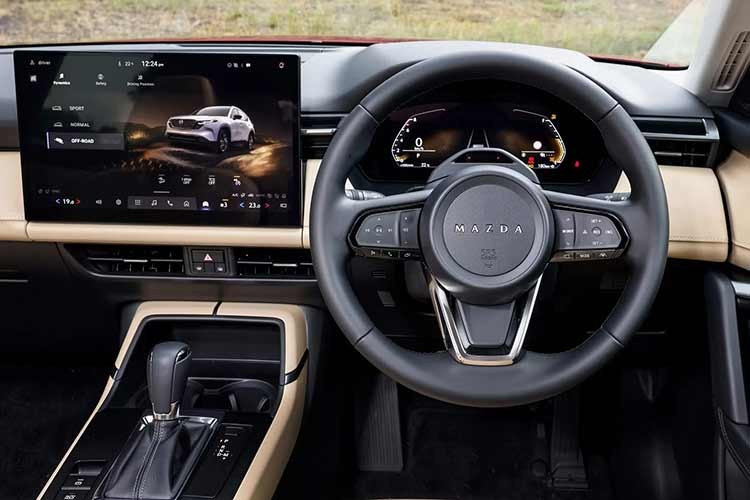
However, the 2026 CX-5 still comes equipped with a basic voice control system, but it does not support Google Assistant and advanced control features such as voice-activated climate control.
In return, Mazda adds the Mazda Connected Services system as standard on all versions, offering features such as emergency calling, lost vehicle locator assistance, remote control, and zone setting. This service is provided free of charge for the first three years.
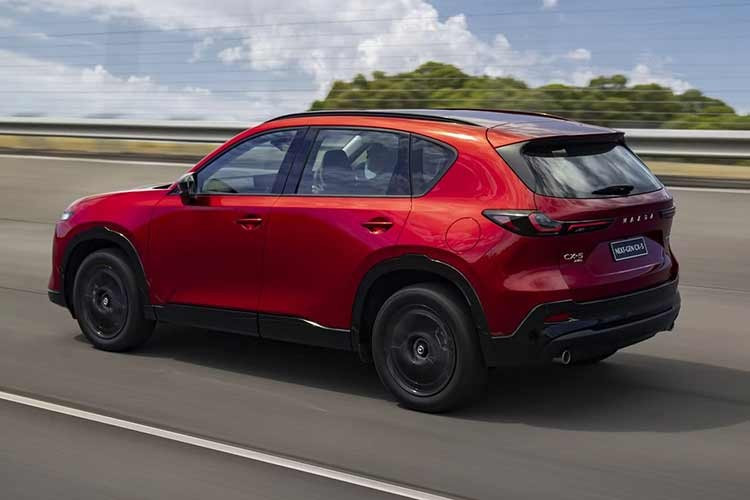
In Australia, the 2026 Mazda CX-5 starts at AUD 39,990 (approximately VND 732 million) for the standard all-wheel-drive version, a slight increase of AUD 2,750 (VND 50 million) compared to the previous generation, but still positioned competitively in its segment.
Cutting back on certain features to keep the selling price down shows that Mazda is prioritizing the cost of ownership, targeting the mass market in an increasingly competitive market.