


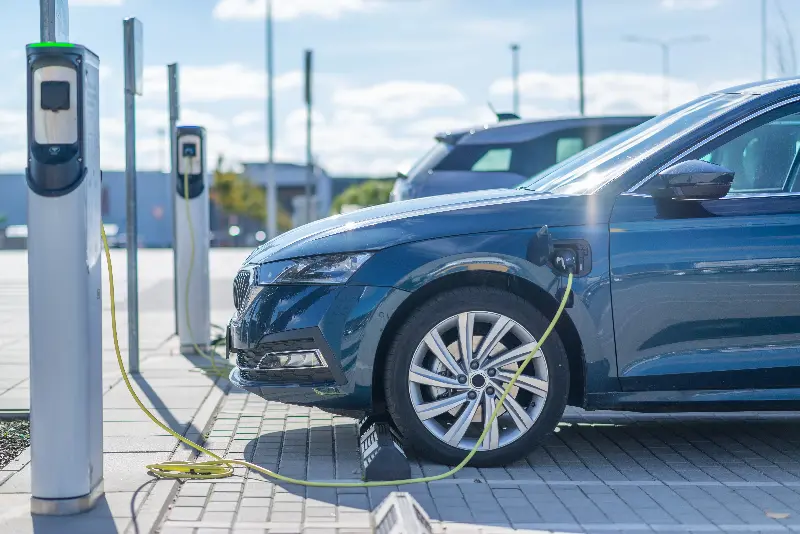
If you’re searching for your next eco-friendly ride, you might be surprised by how much the world of green cars has changed. The choice is no longer just about swapping gas pumps for charging cables—there’s a fascinating range of options that fit many different lifestyles. Electric vehicles (EVs) and hybrids lead the pack, but the differences between them are both subtle and dramatic. Knowing what sets them apart can make your decision smarter and your drive a lot more enjoyable.
HOW ELECTRIC VEHICLES AND HYBRIDS WORK
Electric vehicles run purely on electricity stored in a large battery pack. When you drive an EV, you are moving smoothly and silently, propelled entirely by an electric motor. There is no tailpipe and no gasoline—just a need to plug in and charge up. This results in zero local emissions, making EVs a top choice for drivers who want to prioritize environmental health in urban environments.
Hybrid vehicles, conversely, mix a traditional gasoline engine with an electric motor and battery. These generally fall into two categories:
- Plug-in Hybrids (PHEVs): These can be charged externally and run on pure electric power for a set distance before the gasoline engine kicks in.
- Traditional Hybrids: These rely primarily on their engines, with electric motors providing efficiency boosts. They do not require a plug, as they charge through regenerative braking.
This blend offers impressive fuel economy and reduced emissions without the need to stress over finding a charging station.
RANGE ANXIETY VERSUS FUEL FLEXIBILITY
One of the key differences between EVs and hybrids is driving range. Today’s EVs can frequently travel 200 to 350 miles on a full charge, with luxury options boasting even more. However, range anxiety—the lingering worry you’ll run out of power before reaching a charger—can still loom large, especially in areas with sparse charging infrastructure.
Hybrids reassure drivers thanks to the flexibility of a traditional gas tank. When the battery runs low, the engine seamlessly takes over, allowing you to refuel in minutes at any gas station. For road trippers or those with unpredictable routines, that flexibility provides priceless peace of mind.
CHARGING AND REFUELING EXPECTATIONS
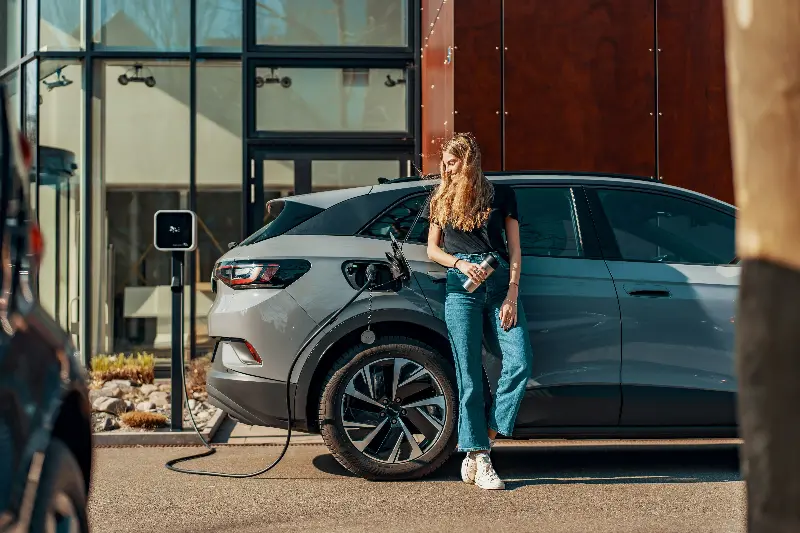
EV owners quickly become familiar with home charging and public stations. Most owners plug in at home using either a standard wall outlet or a dedicated Level 2 charger for faster top-ups. While public charging networks have grown rapidly, the availability and speed can vary greatly depending on your location.
Hybrids do not demand major changes to your daily habits. If you drive a PHEV, you can top up the battery overnight but still rely on gasoline for longer trips. Traditional hybrids are even lower maintenance; they charge their smaller batteries automatically, so plugging in is never required.
COST CONSIDERATIONS FROM STICKER PRICE TO SAVINGS
There is no denying that EVs usually come with a higher upfront price due to advanced battery technology. However, costs are falling, and federal tax credits or state incentives can knock thousands off the purchase price. Over time, EVs are often cheaper to own because:
- Electricity costs significantly less than gasoline.
- Maintenance is simpler, with no oil changes and fewer moving parts.
Hybrids often hit a "sweet spot" for buyers. They typically cost less upfront than EVs, though more than traditional internal combustion cars. Fuel savings add up quickly in city driving where stop-and-go traffic allows the electric motor to shine.
DRIVING FEEL AND THE EVERYDAY EXPERIENCE
There is something undeniably fun about an EV. Electric motors deliver instant torque, which translates to quick, quiet acceleration and an incredibly smooth ride. The lack of engine noise creates a peaceful cabin, though some enthusiasts might miss the familiar growl of a combustion engine.
Hybrids provide a familiar driving experience and are often praised for their smoothness during commutes. They serve as an excellent bridge technology for first-time green-car owners who want to boost fuel economy without changing their driving style.

CHOOSING THE RIDE THAT FITS YOUR LIFE
Choosing between an EV and a hybrid comes down to how—and where—you drive. If you have a home charging setup and crave cutting-edge tech, an EV might be your perfect match. If you value versatility for long-distance travel or aren't ready to commit to a plug, a hybrid balances the best of both worlds. Whether you go fully electric or opt for a hybrid, you’ll be putting cleaner, smarter miles on the road.